Blog / Sustainability
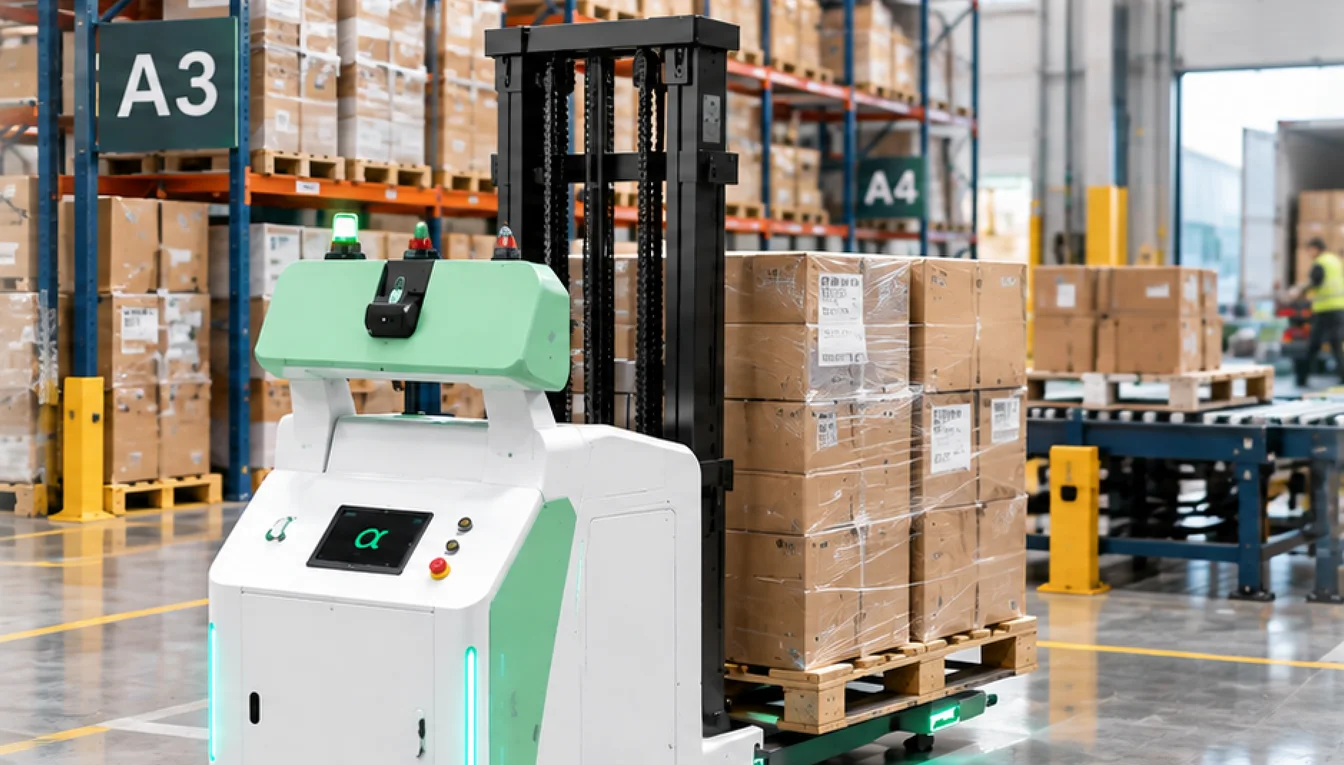
The logistics and warehousing sectors are undergoing a significant transformation with the integration of advanced robotics and automation. Among the most impactful innovations is the adoption of Robot-as-a-Service (RaaS), a model that offers businesses access to cutting-edge robotic solutions without the upfront costs of ownership.
In this blog, we’ll explore the economic benefits of RaaS for warehouses and why it’s quickly becoming the preferred choice for logistics automation.
Understanding the RaaS Model
RaaS operates on a subscription or pay-as-you-go basis, allowing warehouses to deploy bots without the need for significant capital investment. Instead of purchasing bots outright, businesses can lease them based on their operational needs.
The RaaS provider, like Alphadroid typically handles maintenance, updates, and software integration, ensuring businesses always have access to the latest technology.
This model makes robotics more accessible, particularly for small- and medium-sized warehouses, and introduces unparalleled flexibility in scaling operations.
1. Reduced Upfront Costs
Traditional robotics solutions often require a substantial initial investment, which can deter many businesses from adopting automation. With RaaS, warehouses can sidestep these prohibitive costs.
Example: A warehouse that would traditionally spend millions on purchasing bots can instead allocate a manageable monthly budget to lease the same technology.
This allows businesses to allocate resources to other critical areas, such as inventory expansion or process optimization.
2. Scalability Without Financial Strain
One of the most significant advantages of RaaS is its scalability. Warehouses can easily adjust their robotic workforce to meet fluctuating demands, such as seasonal peaks or unexpected surges in activity.
Instead of committing to a fixed number of bots, RaaS enables businesses to add or reduce units based on real-time needs.
This flexibility ensures that costs remain proportional to operational demands, optimizing resource utilization.
3. Lower Maintenance and Downtime Costs
Owning bots entails ongoing maintenance, software updates, and potential repairs—all of which can disrupt operations and inflate costs. Under the RaaS model, the service provider typically handles:
- Software upgrades: Keeping the robotic systems up to date with the latest innovations.
This minimizes downtime, improves operational continuity, and eliminates surprise expenses, translating into significant cost savings over time.
4. Increased Productivity and ROI
Robots leased through RaaS often come with advanced capabilities tailored to specific tasks such as sorting, picking, packing, or transporting goods. These bots operate tirelessly, increasing productivity and enabling warehouses to process more orders in less time.
ROI amplification: Higher efficiency and throughput mean that the subscription costs of RaaS are often offset by increased revenue.
5. Accessible Technology for Small Businesses
Historically, robotics automation has been accessible mainly to large corporations due to the high cost of ownership. RaaS democratizes this access, allowing smaller warehouses to:
- Optimize operations without overextending budgets.
6. Predictable Operational Costs
The subscription-based nature of RaaS provides financial predictability, which is crucial for businesses operating on tight margins. Instead of incurring large, unpredictable expenses for robotic upgrades or repairs, warehouses pay a fixed fee, making budgeting easier.
This predictable cost structure allows warehouses to plan long-term strategies with confidence.
Real-World Impact: RaaS in Action
Case Study: A medium-sized e-commerce warehouse in the Midwest implemented RaaS to handle its picking and packing processes.
After integrating a fleet of bots through a RaaS provider, the warehouse saw a 40% increase in order fulfillment speed and a 25% reduction in operational costs within six months.
This shift allowed the business to scale during peak seasons without overburdening its staff or budget.
Beyond Economics: The Competitive Edge of RaaS
While the economic benefits of RaaS are compelling, its impact goes beyond cost savings. Warehouses that adopt RaaS gain:
- Enhanced worker satisfaction: By automating repetitive tasks, bots allow employees to focus on higher-value responsibilities.
- Improved accuracy: Robots excel at minimizing errors in tasks like inventory management and order picking, boosting customer satisfaction.
Conclusion
The economic benefits of Robot-as-a-Service for warehouses are undeniable. From reduced upfront costs and operational flexibility to increased productivity and ROI, RaaS is revolutionizing how warehouses approach automation. By adopting RaaS, businesses can not only optimize their logistics operations but also position themselves as leaders in the rapidly evolving world of supply chain automation.


 4 mins read
 13 May 2026