Blog / Industry insights
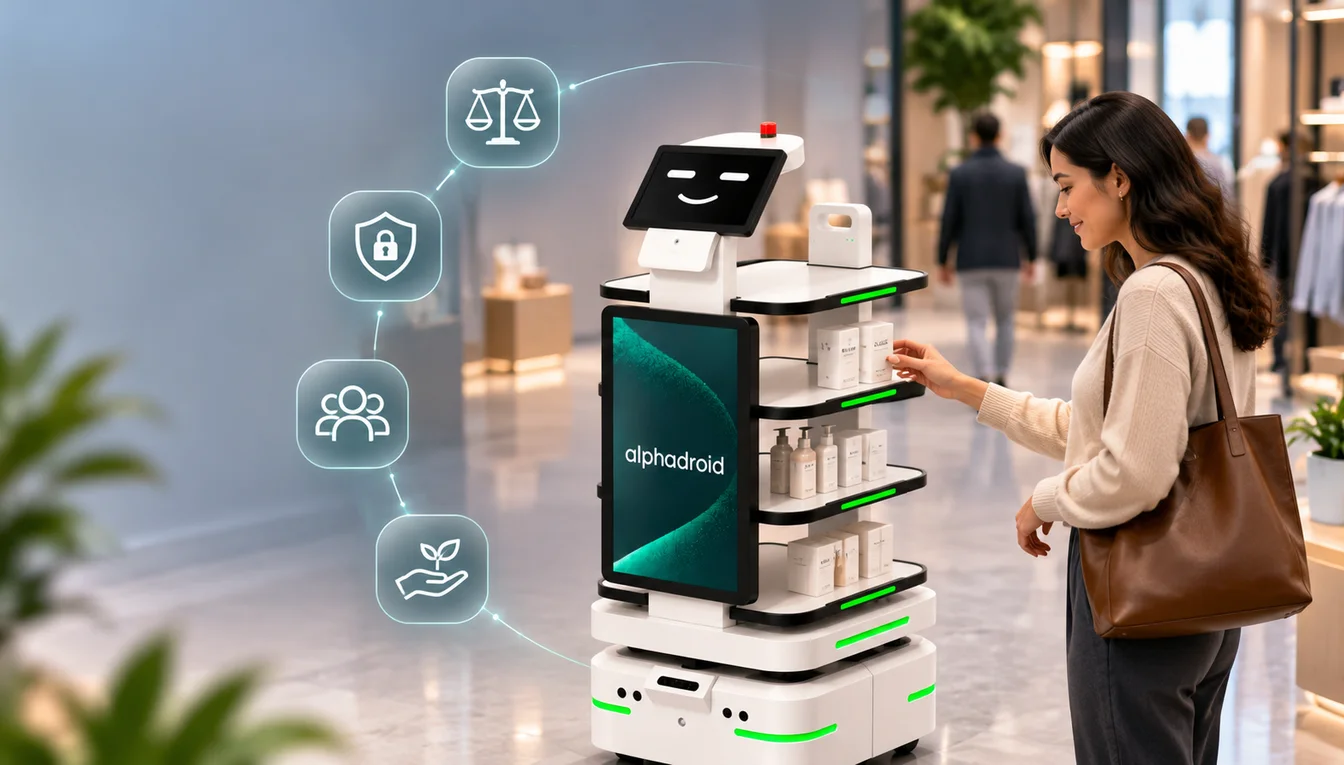
At Alphadroid, we see robotics to enhance—not replace—the retail experience. The key is thoughtful integration, ensuring that both businesses and employees thrive in this new landscape.
1. How Will Human Jobs in Retail Change?
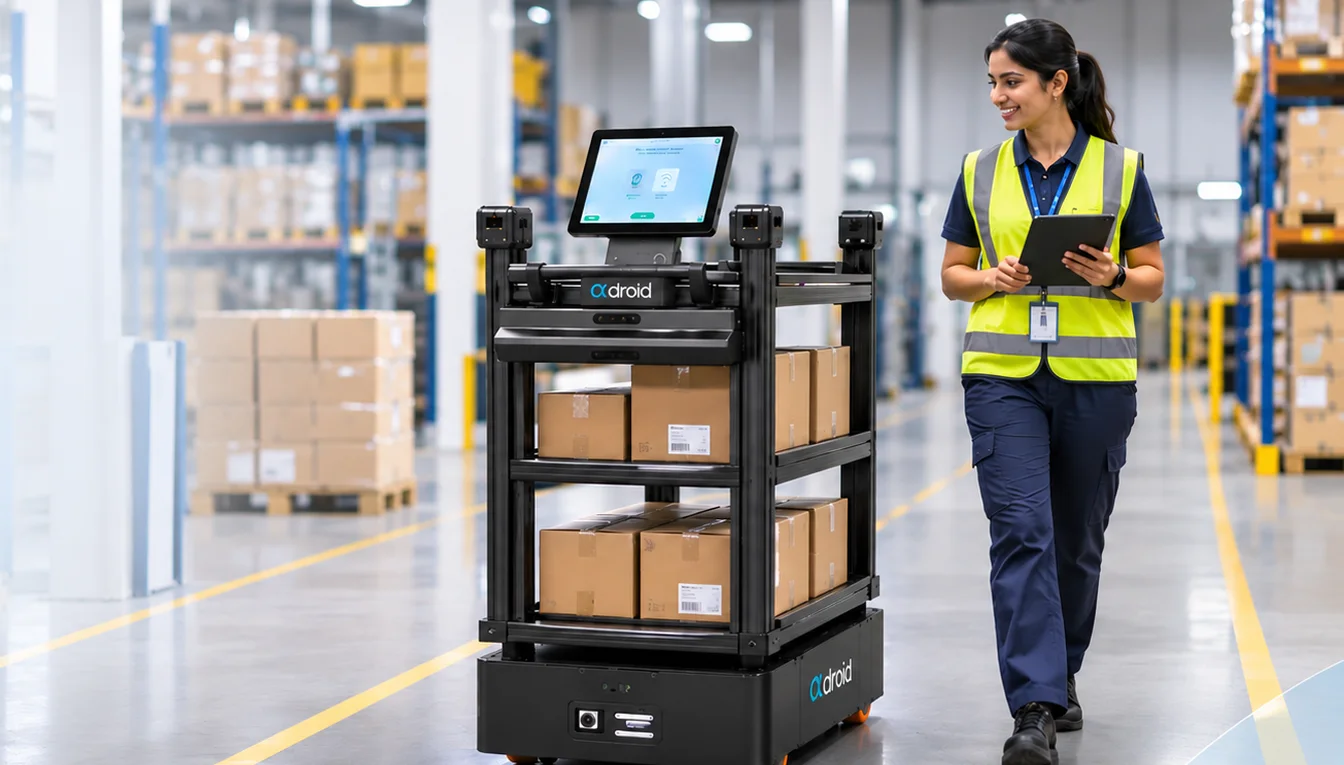
As bots take over routine tasks like inventory management, checkout, and basic customer inquiries, human roles will naturally evolve. Instead of repetitive, transactional work, retail employees will focus more on customer engagement, personalized service, and problem-solving—things that bots simply can’t replicate. We’ll also see more technical roles emerge, where employees will oversee robot operations, analyze AI-driven insights, and ensure a smooth customer experience.
2. Will Automation Affect Wages and Benefits?
There’s always concern that automation might drive wages down, but I see a different possibility. Efficiency doesn’t have to mean job loss—it can mean job transformation. If businesses reinvest the cost savings from automation into upskilling employees and creating higher-value roles, we could see better career growth, more competitive wages, and stronger job security. It’s about using technology to work smarter, not just cheaper.
3. What About the Human Touch in Retail?
Retail is more than just transactions—it’s about experiences. While bots can make shopping faster and more convenient, people still crave human interaction, especially in industries like luxury retail, fashion, and hospitality. The best retailers won’t just automate—they’ll blend technology with human warmth, making sure customers still feel heard, valued, and engaged.


 4 mins read
 13 May 2026